Published 14 Sep 2026 · 7 min read
How to study when you have zero motivation
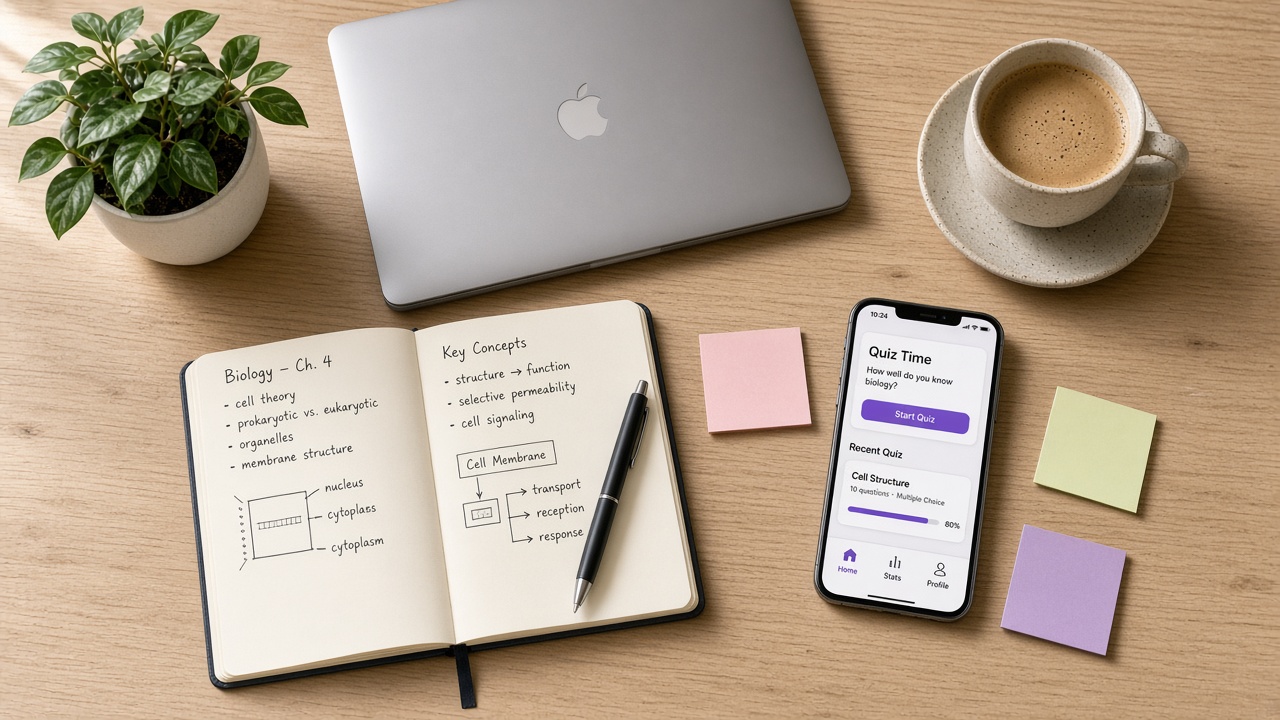
You have the notes. You have the app. You have three hours free. And you would rather reorganize your sock drawer than open a single flashcard.
That is not laziness. It is friction. The gap between knowing you should study and actually doing it is where most plans die. The trick is not to find motivation first. It is to make starting so small that motivation becomes irrelevant.
Why waiting for motivation backfires
Motivation is a feeling, and feelings are unreliable. If you only study when you feel ready, you will have great sessions twice a month and nothing in between. Research on habit formation shows the opposite order: action comes first, then the feeling follows. You start, your brain engages, and twenty minutes later you wonder why you were avoiding it.
The goal is not to feel motivated. It is to reduce the cost of starting until the decision is barely a decision at all.
The 5-minute deal
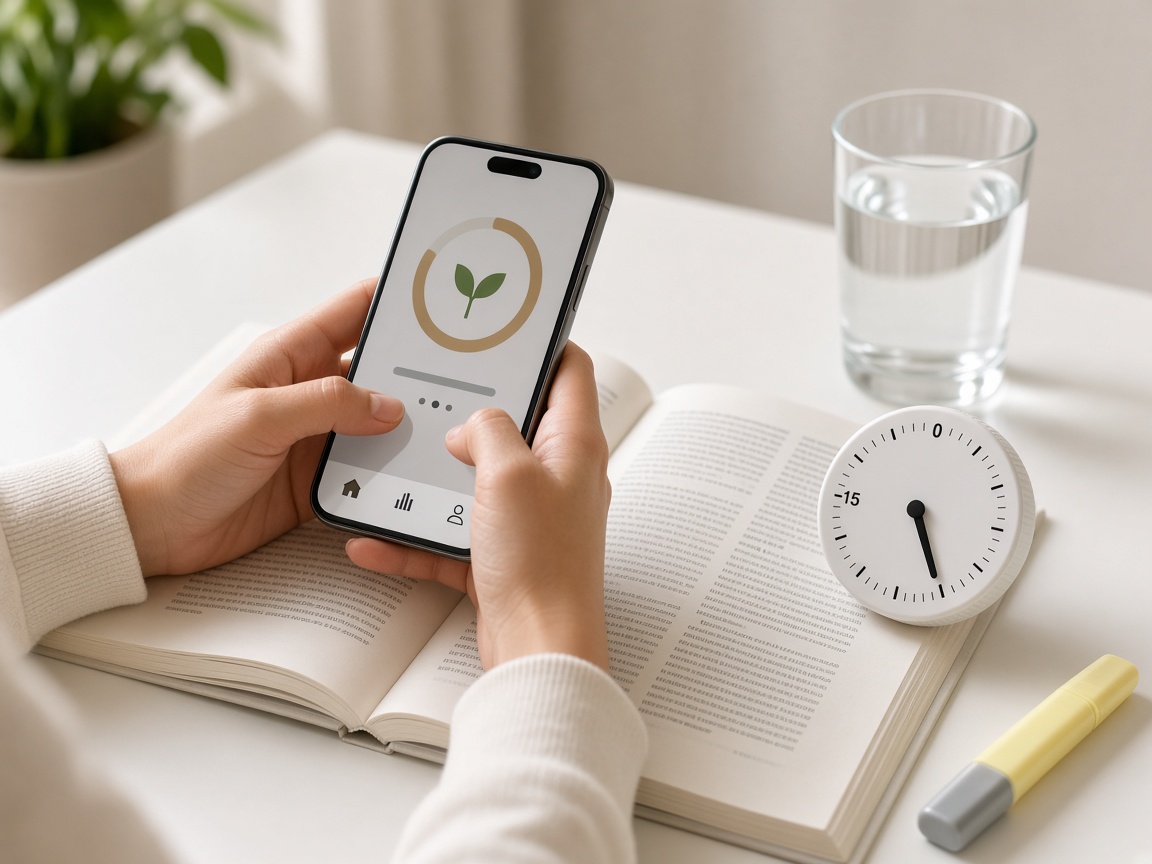
Tell yourself you will study for exactly five minutes. Not an hour. Not until the chapter is done. Five minutes, then you are free to stop. Set a timer if it helps.
Most of the time you will keep going. The hardest part was opening the book. Once you answer three flashcards or read one page, the switching cost has already been paid. But even if you do stop at five minutes, that is five minutes more than zero. Over a week those micro-sessions add up.
Set up the environment before you need it
- Put your phone on the desk with the study app already open. Not Instagram, not the home screen.
- Close every browser tab that is not the material you need.
- Use headphones even if you are not playing music. They signal your brain that focus has started.
- Keep water on the desk. Getting up for a drink is a free exit ramp your brain will exploit.
Environment design is underrated. Every small obstacle between you and the first card is a chance for your brain to say no. Remove as many as you can.
Shrink the task until it feels silly
Do not sit down to study an entire subject. Sit down to answer ten flashcards. Or read one page. Or take a five-question quiz. When the unit of work is small, the resistance drops. You can always do more after the first round, but you never have to.
In Quiz Genius a single study set is already broken into cards and questions. Pick ten cards from the hardest pile and do those. That is a complete session. Tomorrow, pick ten more.
Attach studying to something you already do
Habit stacking works. After you pour your morning coffee, open one flashcard set. After you sit on the bus, run a quick quiz. After you brush your teeth at night, review five cards. The existing habit is the trigger. The study session is the rider.
You are not looking for the perfect time to study. You are looking for a time that already exists in your day and adding two minutes of cards to it.
What to do on truly terrible days
- Skip the new material entirely. Just review old cards you already know. Easy wins rebuild momentum.
- Switch the format. If cards feel heavy, try a short quiz. If reading feels impossible, listen to your notes out loud.
- Move your body first. A ten-minute walk before studying clears more fog than another hour of scrolling.
- Lower the bar to one card. Literally one. You keep the streak alive and that matters more than any single session.
Stop optimizing and start doing
Students lose hours picking the best study method, reorganizing their notes, or building the perfect schedule. That is productive procrastination. It looks like work, but nothing enters your brain.
A mediocre study session you actually do beats a flawless system you never start. Open the set, answer the cards, close the app. Repeat tomorrow. That is the whole method.
If you have notes from this week sitting in your camera roll or on your desk, download Quiz Genius and make one set right now. Do five cards. That is today's win. Tomorrow you do five more.
More from the blog
12 Sep 2026 · 6 min read
Your lecture is on your camera roll. Now what?
A photo of the slide is not a study plan. Here is how to use the camera roll without rereading every picture.
Read article
12 Sep 2026 · 6 min read
Flashcards or a quiz? Pick the tool for the job
Cards train recall. Quizzes train decisions. Use the wrong one and you feel busy without getting sharper.
Read article
10 Sep 2026 · 7 min read
How to turn messy notes into flashcards you will actually use
Rewriting notes into cards is the step most people skip. Here is a simple method, plus how to do it in a few taps.
Read article
10 Sep 2026 · 6 min read
Spaced repetition: why you forget by Wednesday
You knew it on Sunday. By Wednesday it is gone. Here is why, and a review loop that is small enough to keep.
Read article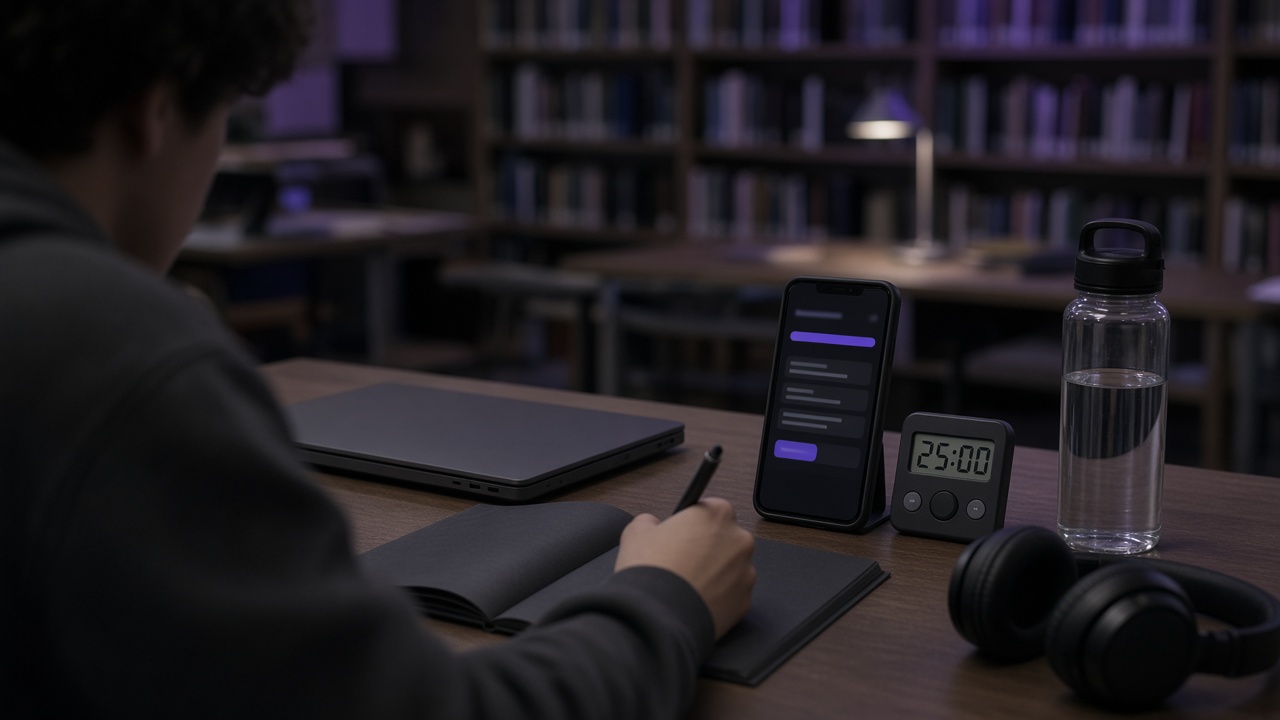
10 Sep 2026 · 6 min read
Stop rereading. Practice like it is the real exam
Rereading feels safe. A timer does not. If the test is timed and closed-book, your practice should look the same.
Read article


